


The most common mistake families make when budgeting for a British independent school is looking only at the headline fees. In practice, the real cost is almost always 25–40% higher than the published tuition — spread across dozens of extras nobody mentions upfront.
In this article we give you the full, honest picture: what the basic fee covers, what comes on top, how 2025 VAT has changed things and what budget you should realistically plan for. No sales pitch, no rounded-down figures.
The headline fees:
tuition in 2025–26
British independent schools fall into two groups — day schools and boarding schools — and the cost difference is substantial.
- Day schools — £19,000–£42,000 a year (including 2025 VAT)
- Full boarding — £45,000–£67,000+ a year (including 2025 VAT)
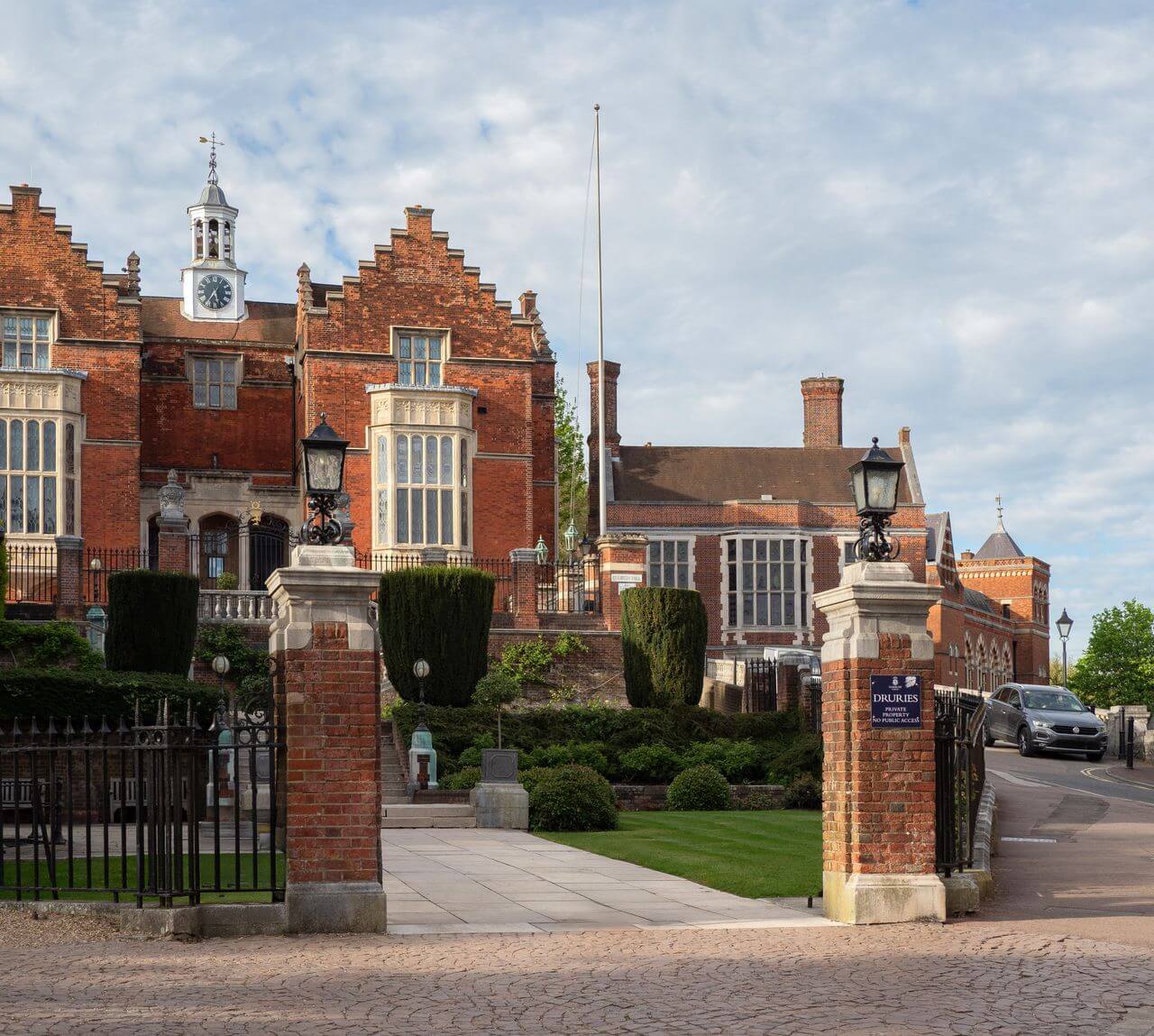
- Top boarding schools — Eton £63,300, Harrow £63,735, Winchester £60,000, Cheltenham Ladies' College up to £66,870 a year
These are just the tuition fees. Everything else is extra — and it adds up quickly.
VAT from 2025: what's changed
and what it means for your budget
Since January 2025, private school fees in the UK have been subject to 20% VAT — one of the biggest changes to independent education in decades.
A school that charged £50,000 a year before 2025 would now cost £60,000 with VAT. In practice, many schools absorbed part of it, so fees rose by 10–15% on average. Always check current fees directly with the school — pre-2025 fee lists are out of date.
A real example: £55,000 vs £89,000 — one family's actual budget
One family came to us hoping to keep costs to £55,000 a year at a mid-priced boarding school. We went through the budget line by line — and the real first-year total came to £89,000.
The £34,000 gap: uniform and kit £2,500, medical insurance £1,800, guardianship £5,000, tutoring £6,000, international flights £3,500, school trips £4,200, holiday costs £3,000 and contingencies £8,000. None of this is luxury — it's what a typical first year at boarding school actually costs.
The full list of costs
Essential costs:
- Uniform and kit: £1,500–3,500 in year one, then £500–1,500 a year
- Medical insurance: £800–2,000 a year — compulsory for international students
- Books and materials: £500–1,500 a year (check what the fees include)
- Guardianship: from £1,000 a year — a legal requirement for international pupils.
Costs that crop up along the way:
- Tutoring: from £120 per lesson
- School trips: £2,000–8,000 a year
- Extracurricular activities: £1,000–4,000 a year beyond the core programme
- Pocket money: £50–200 a week
Travel
- Flights: £1,500–4,000 a year for 3–4 return trips
- Airport transfers: £100–200 each way
- Visa costs: £500–1,500 for a Child Student visa, plus the Immigration Health Surcharge of £1,035 a year
How to budget realistically
The 30% rule: add 25–35% to the published tuition fee for a realistic first-year figure.
Ask each school for its full fee schedule, not just the tuition. Keep a £5,000–10,000 buffer for unexpected first-year costs, and make sure every figure includes 2025 VAT.
Considering Switzerland instead? Read our cost-by-cost comparison here
Cost vs value:
is it worth the investment?
There's no getting away from it: a British education is expensive. But the right decision weighs cost against outcomes — and leavers from top British schools win places at Oxbridge and Russell Group universities at significantly higher rates. That's documented fact, not marketing.
But it only pays off if you choose the right school. Paying a premium for a famous name that doesn't fit your child's academic goals isn't an investment — it's just an expense.
Watch: choosing between a London day school and a country boarding school
Hidden first-year costs:
what to look out for
In our experience, the first year is always the most expensive. Here are the costs families most often overlook:
- Everyday clothes and shoes — British teenagers care about what they wear, and fitting in means spending beyond the uniform.
- Phones and devices — many schools require an iPad or laptop, and not all list it upfront.
- Exeat weekends — not every break means flying home, but on exeat weekends pupils must leave school, so you'll need somewhere for them to stay.
- Sports teams and fixtures — travel, accommodation and kit can add £1,000–3,000 a year.
- Counselling — if the school counsellor isn't enough, private sessions cost £100–200 each.
- A simple way to avoid surprises — talk to parents whose children already attend the school. They're the most honest source on real monthly costs, and we can introduce you through our network of families.
Planning finances
for the whole school journey
Parents often budget just a year ahead. The smarter approach is to plan for the entire time your child will spend at the school. A child joining in Year 9 will spend 5 years there (through to A-Levels). At an average of £70,000 a year, that's £350,000 in fees alone — before living costs and flights. A realistic budget for the full journey is £450,000–600,000.
That's the real number — which is why financial planning needs to start well before you apply, and cover every year, not just the first.
Want to know what it costs to live in the UK in 2026? Watch our video on YouTube
When is the cost worth it — and when isn't it?
A British independent school is a major investment that makes sense when: there's a clear academic goal and a target university; the school is the right fit for your child's personality and level; the family is ready to support them for at least 3–4 years; and the cost won't put the family under serious financial strain.
If any one of these isn't in place, consider the alternatives: studying the British curriculum online, a summer programme as a first step, or a different country altogether. Sometimes the less expensive option is the better fit for your child.
How to reduce the cost of a British education
If your budget is limited but you're set on a British education, there are proven ways to save without compromising on quality:
Schools outside London
boarding schools in Oxfordshire, Kent or Yorkshire cost 20–30% less than those in London, with comparable academic standards.
Day school instead of boarding
if the family relocates to the UK, a day school is far cheaper than boarding — a realistic option where one parent can move with the child.
Online A-Levels as a top-up
the student boards for GCSEs, then takes some A-Level subjects online — saving on the cost of a top sixth form.
Each of these options needs to be costed individually. Not every one suits every family — it depends on your child's age, academic goals and how flexible you can be on format.
A practical checklist
before you commit
Before you sign with a school, make sure you can answer these questions:
- Have you requested and read the school's full fee schedule, including all compulsory extras?
- Have you checked the fees including 2025 VAT — not from an old fee list?
- Have you budgeted an extra 25–30% on top of the fees for year one?
- Have you worked out the total cost for the whole time your child will be at the school?
- Have you asked current parents (not the school) about real monthly costs?
- Have you asked about bursaries and scholarships?
If you can answer yes to every question, you're ready to make an informed decision. If not, there are gaps in your planning worth closing before you apply.
Then there's the question of being ready for the unexpected. Many families can afford a British school on paper but don't plan for the unforeseen: currency swings, illness, or the need for tutors in several subjects at once. Sound financial planning means not only setting a budget but also knowing what you'll do if costs come in 30–40% higher than expected. It's something we discuss with every family from the outset.
FAQ: the cost of a British private school
How much have fees gone up since VAT was introduced?
For most parents, by 10–15%, depending on the school.
Can I pay in another currency?
Schools invoice in pounds sterling. Some accept payment in other currencies, but at the market exchange rate.
How do I compare the true cost of two schools?
Ask each one for its full fee schedule, check exactly what the basic fee covers and add every compulsory extra. Then compare the totals.
Want to know what a British education will really cost for your child — including every hidden cost and based on your budget? Book a free consultation with Alpha Capital Education — we'll give you a transparent financial picture and shortlist schools that fit your goals and budget